
Totke
Traditional beliefs and practices
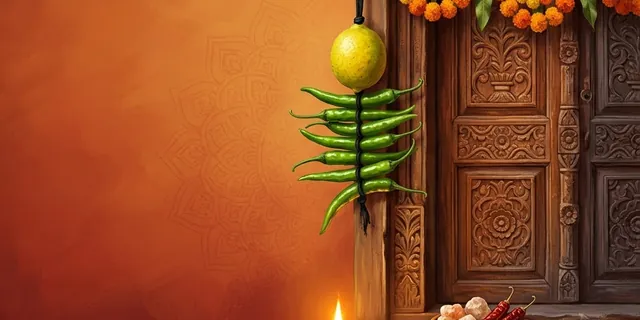
Nimbu-Mirchi at the entrance
Traditional belief: keeps nazar away from home and shop.
Salt water for mopping
Traditional belief: clears negativity from the house.
Nazar utaarna with mustard and salt
Traditional belief: removes the effect of the evil eye.
Keep a money plant in the east or south-east
Traditional Vastu belief for prosperity and growth.
Evening lamp at the tulsi
Traditional belief: invites peace and prosperity into the home.
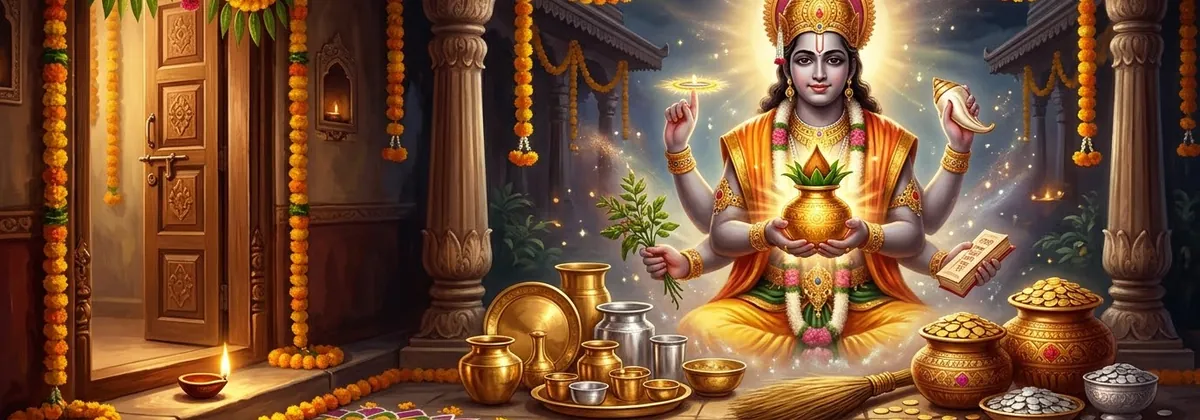
Burning camphor at home
Traditional belief: clears the air of negativity. Keep it away from children.
Mango leaf toran at the door
Traditional belief: welcomes Lakshmi and marks a happy occasion.
Black thread against nazar
Traditional belief: deflects the evil eye. Never tie one around a baby's neck.
Hanuman Chalisa when you are afraid
Traditional belief: removes fear and steadies the mind.
Kajal tika for a baby, safely
Traditional belief: keeps nazar away. Never put kajal inside a baby's eyes.
Dahi-cheeni before an exam or journey
Traditional belief: a sweet start brings a sweet outcome.
Cowries in the cash box
Traditional belief: invites Lakshmi to stay. Plain, cheap shells are all you need.
Beliefs about the broom
Traditional belief: the jhadu is linked with Lakshmi. Which rules are worth keeping.
Saturday lamp under the peepal
Traditional belief: eases Saturn's difficult periods.
First roti for the cow, last for the dog
Traditional belief: daily giving brings blessings to the home.
Feeding ants flour and sugar
Traditional belief: a gentle low-cost remedy linked with steady earnings.
About totke
Totke are small traditional practices that families follow for protection, peace at home and prosperity: hanging nimbu-mirchi at the door, mopping with salt water, removing nazar. Each article explains the practice, the belief behind it, how it is traditionally done and how to keep it simple and safe.
We present totke as cultural tradition and belief. We do not claim that any of them is guaranteed to work, and none of them is a reason to spend large sums of money or to harm anyone.
Many of these customs carry meaning beyond the belief itself. A cleaned threshold, a small ritual before an exam or a grandmother removing nazar can be a way of caring for a home and for each other. That is reason enough for many families to keep them, and it is how we write about them.
Common questions
Do totke really work?
There is no scientific evidence that they change events. People follow them out of faith, custom and the comfort they bring. If a totka gives you peace and costs little, there is no harm in it. It should not replace a doctor, a lawyer or a plain conversation.
Someone says I am under a curse and must pay to remove it. What should I do?
Be careful. Demands for large sums, warnings of disaster and pressure to act today are the usual signs of a scam. No totka in our articles needs costly material or a paid specialist. If you feel threatened or have been cheated, speak to someone you trust and contact the police.
What if a totka leaves me feeling anxious?
Leave it. A practice meant to bring peace should not add to your fear. If worry about the evil eye or bad luck is affecting your sleep or daily life, talking to a doctor or counsellor can help.